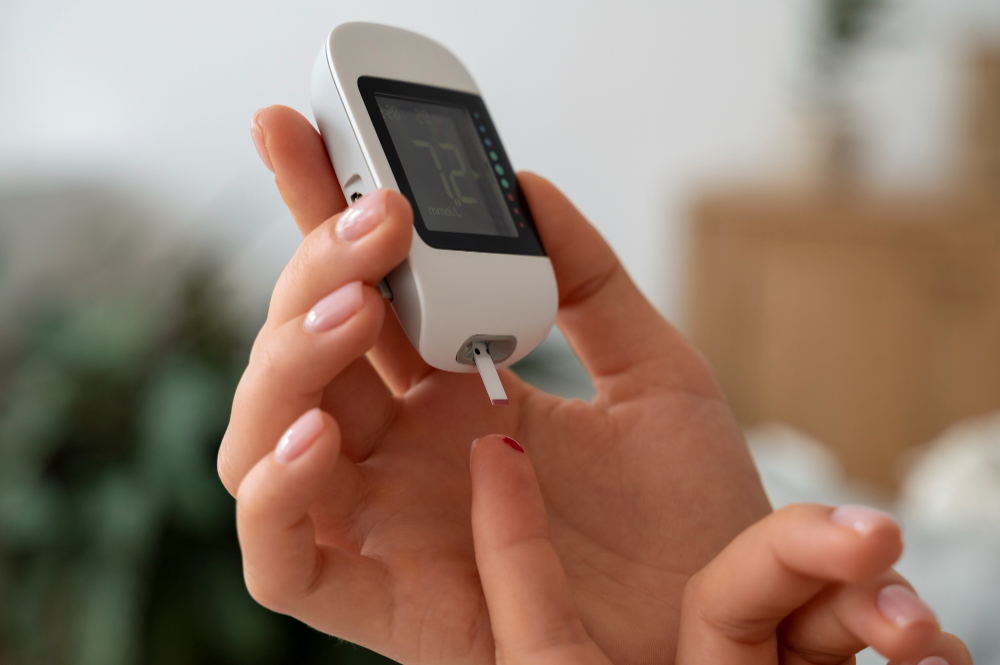
Diabetes is one of the most common long-term health conditions, affecting millions worldwide. It occurs when the body can’t properly control blood sugar levels — the main source of energy. The two main types, Type 1 & Type 2 diabetes, both involve problems with insulin but differ in their causes, symptoms & management. Understanding these differences is key to prevention, early detection & maintaining better overall health.
What Happens in Diabetes?
The body breaks down the food we eat into glucose, which enters the bloodstream. Insulin — a hormone produced by the pancreas — helps glucose enter the cells to be used for energy.
In diabetes, this system doesn’t work as it should. Either the body doesn’t produce insulin at all, or it doesn’t use it effectively. The result is high blood sugar, which, if left uncontrolled, can damage the heart, kidneys, nerves, eyes, & other organs over time.
Type 1 Diabetes: The Autoimmune Type
Type 1 diabetes occurs when the body’s immune system attacks & destroys the insulin producing beta cells in the pancreas. This means the body can no longer make insulin.
It’s typically diagnosed in children, teenagers, or young adults — which is why it was once called ‘juvenile diabetes’ — though adults can develop it too. The onset is often sudden, & the symptoms may appear within a few weeks.
Common symptoms include:
• Unusual thirst & frequent urination
• Sudden, unexplained weight loss
• Constant tiredness
• Blurred vision
• Increased hunger
Since the body cannot make insulin, people with Type 1 diabetes need daily insulin therapy to survive. With proper management, they can lead full & active lives.
Type 2 Diabetes: The Lifestyle-Linked Type
Type 2 diabetes is much more common & often develops gradually. In this type, the body either becomes resistant to insulin or doesn’t produce enough of it.
It’s closely linked to lifestyle & metabolic factors such as excess weight, poor diet, lack of exercise, & stress. Genetic predisposition also plays a role. Because the symptoms appear slowly, many people live with Type 2 diabetes for years before diagnosis.
Risk factors include:
• Overweight or obesity
• Sedentary lifestyle
• Family history of diabetes
• High blood pressure or cholesterol
• Unhealthy eating habits
The good news is that Type 2 diabetes can often be prevented or delayed with healthier lifestyle choices — including regular exercise, balanced nutrition, & routine health check-ups.
Why Early Detection Is Crucial
Both types of diabetes can lead to serious complications if left undiagnosed or poorly managed. Early detection through blood tests helps in starting treatment & preventing long-term damage.
Complications of uncontrolled diabetes include:
• Heart & blood vessel disease
• Kidney failure
• Vision problems (diabetic retinopathy)
• Nerve damage
• Poor wound healing & infections
Even people who feel healthy should consider regular screening if they fall into high-risk groups — especially adults over 40, those with a family history of diabetes, or individuals with high body weight.
Comprehensive Testing & Care at Medivision
For individuals looking to monitor or manage their diabetic health, Medivision offers a Diabetic Check-Up Package that provides a complete evaluation of how diabetes affects the body. The package includes 42 essential tests covering blood sugar levels, HbA1c, lipid profile, kidney & liver function, & urine analysis.
Medivision also provides advanced tests such as GAD 65 Antibody, C-Peptide, Insulin & Islet Cell Antibody, which help identify autoimmune causes of diabetes & offer deeper insights into the type & progression of the condition.
This comprehensive approach helps assess how well the body is responding to glucose & detects early signs of organ stress or damage. With advanced lab technology & expert diagnostic support, Medivision ensures accurate results & reliable guidance, helping patients stay proactive about their health.
Managing Diabetes Effectively
While there is no cure for diabetes, it can be effectively managed through consistent monitoring & lifestyle adjustments.
Effective management includes:
• Following a balanced, low-sugar diet
• Exercising regularly
• Monitoring blood sugar as advised
• Taking medication or insulin as prescribed
• Scheduling regular health check-ups
Education & awareness play a major role in empowering people with diabetes to take control of their health.
The Takeaway
Diabetes doesn’t have to define your life — early awareness, timely diagnosis, & proper care can make all the difference. Understanding the difference between Type 1 & Type 2 diabetes helps you recognize risk factors & symptoms, while regular testing ensures you stay ahead of potential complications.
By choosing comprehensive testing & maintaining a healthy lifestyle, you’re not just managing a condition — you’re investing in your long-term well-being.