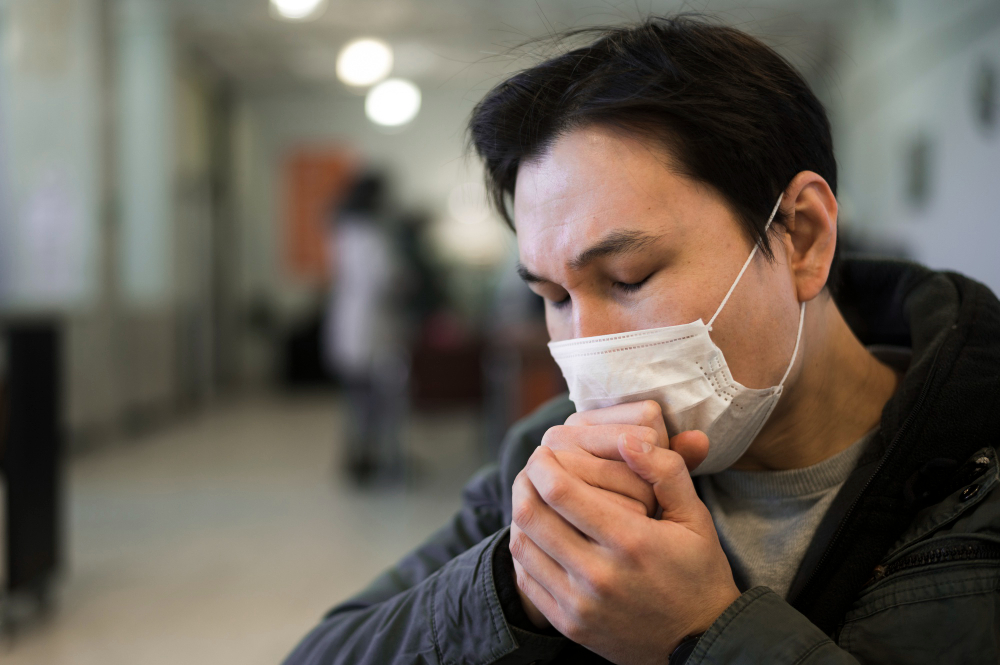
H1N1, also known as swine flu, is a highly contagious respiratory infection caused by a strain of the influenza A virus. First detected in humans during the 2009 pandemic, it remains active today, appearing seasonally with symptoms that closely resemble the common flu – fever, cough, sore throat & body aches. While most people recover with rest & basic care, H1N1 can lead to severe complications & even become life-threatening, particularly for high-risk individuals. Due to its rapid spread & potential danger, early detection, awareness & prompt medical intervention are essential for effective management.
What is H1N1?
H1N1 or Swine flu is a viral respiratory infection named for its similarity to an illness that commonly affects pigs. While swine influenza typically spreads among pigs, humans can occasionally become infected. The major H1N1 pandemic in 2009 affected millions of people worldwide. Although human-to-human transmission was once rare & limited, it has since become more common. Most cases can be managed with rest, plenty of fluids & antiviral medications when needed.
How Does H1N1 Spread?
• Through coughing, sneezing, or even talking
• By touching contaminated surfaces & then touching your eyes, nose, or mouth • In crowded places or closed spaces where the virus can linger longer
The virus is highly contagious & can spread before symptoms even appear, which makes prevention & early diagnosis extremely important.
Recognizing the Symptoms
Swine flu (H1N1) symptoms closely resemble those of seasonal flu & typically appear 1 to 3 days after exposure, lasting up to a week. Common signs include sudden fever, dry cough, sore throat, nasal congestion or runny nose, fatigue, body aches & headaches. In some cases, people may also experience vomiting or diarrhea. While most recover without complications, swine flu
can lead to severe illness such as pneumonia or respiratory failure & may worsen existing chronic health conditions.
Who is Most at Risk?
Certain groups are more vulnerable to severe H1N1 complications, including young children, the elderly, pregnant women & those with chronic illnesses like asthma, diabetes, or heart disease. People with weakened immunity, obesity & those in high-exposure settings like healthcare workers & nursing home residents are also at higher risk. Early detection & timely treatment are essential for these individuals.
Can H1N1 Be Prevented?
Yes. Prevention is your strongest weapon. Here’s what you can do:
• Get your annual flu shot, which usually includes protection against H1N1 • Wash your hands often with soap & water
• Avoid close contact with people showing flu symptoms
• Wear a mask in crowded or enclosed spaces, especially during flu season • Disinfect frequently touched surfaces and gadgets
• Avoid touching your face, especially eyes, nose & mouth
• Stay home if you’re feeling unwell to prevent spreading the virus to others
Treatment and Recovery
H1N1 (swine flu) is often treated with rest, fluids & fever reducers. For high-risk cases, antivirals like oseltamivir (Tamiflu) or zanamivir may be prescribed. Recommended by the CDC, these are most effective when taken within the first 48 hours of symptoms. Early treatment helps ensure faster recovery.
Warning Signs: When to Seek Emergency Care
Seek immediate medical help if you experience:
• Difficulty breathing
• Persistent high fever
• Chest pain or pressure
• Severe weakness or confusion
• Bluish lips or face (especially in children)
• Symptoms that worsen after initial improvement
Get Tested at Medivision: Quick, Reliable & Accurate
Because H1N1 symptoms are very similar to other respiratory illnesses — including H3N2, Influenza B & even COVID-19 — accurate testing is the only way to know for sure.
At Medivision Diagnostics, we offer a comprehensive Influenza Panel using Multiplex PCR, which can detect & differentiate between major flu viruses — including H1N1 — all at once.
What our Influenza Panel includes:
• Simultaneous & separate detection of:
➢ Influenza A
➢ H1N1
➢ H3N2
➢ Influenza B
➢ RSV (Respiratory syncytial virus)
• Technology: Multiplex PCR
• TAT (Turnaround Time): 24 hours
• Sample Types:
➢ Nasopharyngeal and/or oropharyngeal swab in VTM
➢ Tracheal aspirate
➢ BAL (bronchoalveolar lavage)
➢ Sputum
This test gives doctors the clarity they need to decide the right treatment quickly — especially in patients with severe symptoms or underlying conditions.
Don’t ignore flu symptoms. Get tested early.
Visit your nearest Medivision lab for reliable results & peace of mind.